Hayward best Deep Tissue Massage for Targeted Muscle Relief
Hayward best Deep Tissue Massage for Targeted Muscle Relief
Blog Article
Massage Therapy: Reveal Serenity and Vitality Today
Massage therapy operates as a valuable resource for boosting relaxation and holistic wellness. By manipulating soft tissues, it tackles physical tension and emotional stress. Different approaches meet individual needs, providing potential benefits that transcend the session. However, many may wonder what to expect during their first experience or how to select the right approach. Comprehending these factors can significantly enhance the effectiveness of massage therapy in one's personal wellness practice.
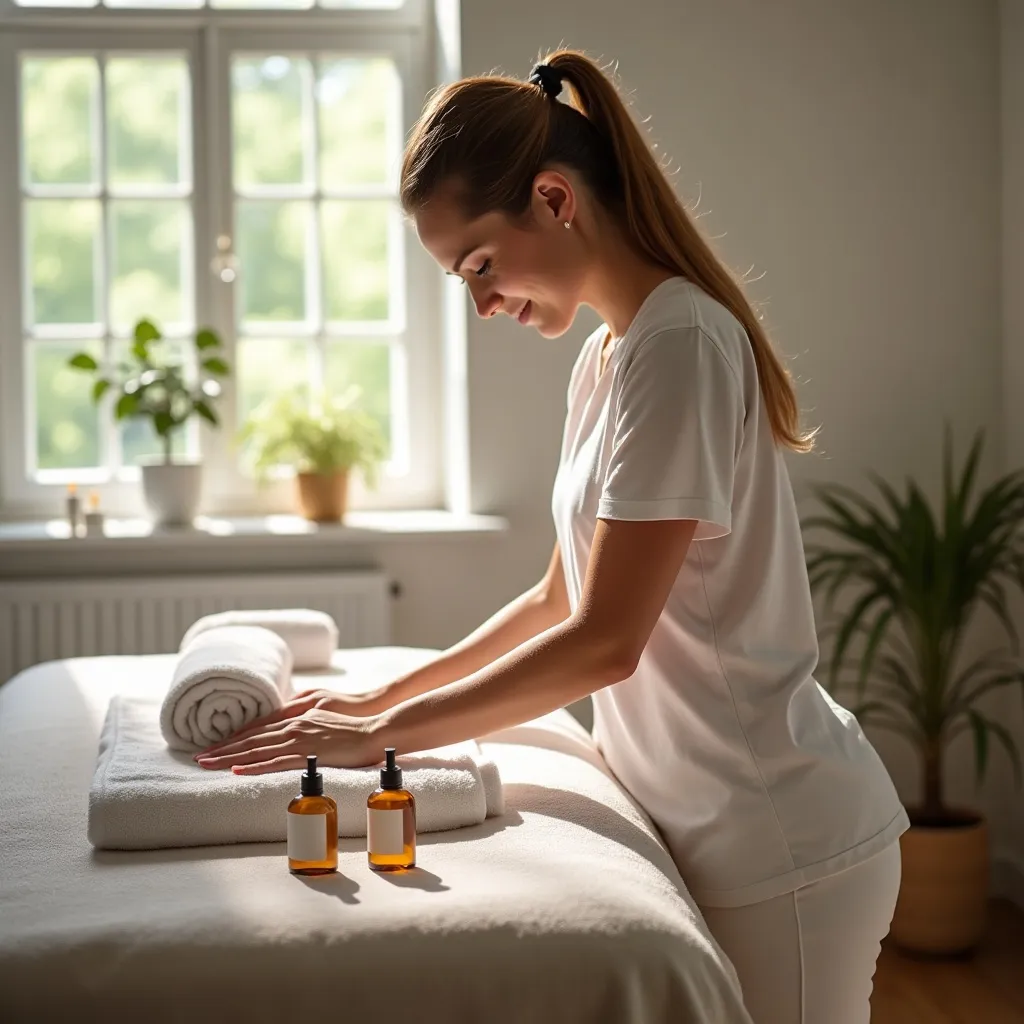
What Is Therapeutic Massage and How Does It Work?
Massage therapy is a physical method that involves treating the body’s soft tissues to induce ease and healing. This therapeutic approach focuses on the muscles, tendons, ligaments, and fascia, employing multiple strategies to alleviate tension and enhance overall well-being. By applying pressure and movement, massage therapy enhances circulation, improves flexibility, and decreases stress levels.
The physiological effects of manual therapy can consist of improved blood flow, which aids in the delivery of oxygen and nutrients to tissues, while also facilitating the removal of metabolic waste products. Furthermore, massage can activate the parasympathetic nervous system, encouraging a state of calm and relaxation. This practice is never limited to physical benefits; it can also foster emotional release, contributing to improved mental clarity and mood. Overall, massage therapy is a holistic approach that addresses both the physical and psychological aspects of health, thus enhancing one's quality of life.
Discover Widely-Used Massage Techniques
Massage therapy includes a variety of techniques, each delivering distinct benefits. Swedish massage methods focus on relaxation and circulation, while deep tissue massage addresses persistent tension and pain relief. The addition of aromatherapy can boost the overall experience, fostering both physical and mental health.
Swedish Massage Approaches
Swedish massage methods are renowned for their gift to inspire ease and ease tension in the body. Using long, flowing strokes, these systems aim to enhance circulation and energize the lymphatic network. Key procedures include stroking, or sweeping motions, which warm up the muscles; petrissage, involving massaging and compressing to release tightness; and friction, which addresses distinct zones to break down muscular clusters. Tapotement, marked by rhythmic tapping, invigorates the body, while vibration techniques help unburden deeper tension. These processes not only provide somatic comfort but also nurture a awareness of mental well-being. Overall, Swedish massage serves as a principal method in the area of massage practice, attracting those seeking both relaxation and rejuvenation.
Thorough Tissue Improvements
While Swedish massage methods emphasize relaxation and superficial tension relief, deep tissue therapy targets deeper layers of muscle and connective tissue. This method is particularly advantageous for individuals suffering from chronic pain, tension, or injury. By employing firm pressure and slow strokes, deep tissue massage can reduce muscle knots, improve circulation, and improve flexibility. It is known to promote healing by breaking down adhesions that restrict movement and cause discomfort. Additionally, deep tissue therapy can help decrease stress and anxiety levels, as the release of physical tension often leads to emotional relief. Clients frequently report improved overall wellness and enhanced physical performance following deep tissue sessions, making it a valuable option for those seeking thorough therapeutic benefits.
Aromatherapy Combining
The combination of aromatherapy enhances the massage experience by combining the therapeutic benefits of essential oils with various massage techniques. This approach not only encourages relaxation but also addresses specific physical and emotional ailments. For instance, Swedish massage, characterized by long, flowing strokes, pairs well with lavender oil to reduce stress and improve sleep quality. Conversely, deep tissue massage, which focuses on deeper muscle layers, can be enhanced with peppermint oil to ease tension and invigorate the senses. Additionally, aromatherapy can be tailored to individual needs, allowing clients to choose oils that resonate with their personal wellness goals. Overall, this integration fosters a comprehensive approach, elevating both the physical and emotional benefits of massage therapy.
Positive Effects of Frequent Massage Therapy for Mental Relaxation
Massage therapy performed on a regular basis offers substantial payoffs for managing stress, predominantly through the diminishment of muscle strain. By lessening bodily discomfort, individuals typically find clearer cognitive clarity. This combination fosters a more serene mode, boosting comprehensive well-being.
Minimized Muscular Stiffness
Massage therapy effectively reduces muscle tension, delivering a essential release for those undergoing stress. Regular treatment sessions can encourage relaxation in tight muscles, reducing discomfort and boosting overall physical well-being. The methods employed, such as kneading, stroking, and pressure application, promote better blood flow and oxygen delivery to the targeted zones. As muscle tension diminishes, individuals commonly report a considerable reduction in stress levels along with an increased sense of calm. Moreover, reduced muscle tension can facilitate greater flexibility and range of motion, permitting a more active way of life. This therapy not only relieves immediate discomfort but also contributes to long-term muscle health, supporting the body’s inherent ability to manage stressors effectively.
Improved Mental Focus
Numerous reports confirm that ongoing massage therapy can substantially improve mental clarity, enabling individuals to achieve a sharper focus and enhanced cognitive function. This benefit is due to the reduction of stress-related substances and the facilitation of relaxation, which together create a ideal setting for mental processing. Regular massage promotes increased blood flow, delivering additional oxygen and nutrients to the brain, thereby boosting overall cognitive performance. Moreover, the relaxation and tension release associated with massage help individuals feel more grounded and less distracted, paving the way for improved decision-making and problem-solving capabilities. Consequently, individuals frequently report a rise in creativity and productivity in both their personal and work environments. Including regular massage therapy in one’s routine can thus act as a powerful means for enhancing mental health and well-being.
What Happens During Your First Massage?
When someone encounters their first massage treatment, a blend of hope and worry often follows along. Upon check-in, they are typically received in a calming environment, structured to promote ease. The therapist professional usually commences with a brief meeting to discuss any targeted problem zones and choices pertaining to application and style.
Following the consultation is finished, the participant is shown to a private room where they can undress to their preference level, often beneath a towel. The provider then implements numerous procedures, such as kneading or motioning, to target tension and advance peace. Throughout the process, conversation is encouraged to guarantee the experience meets the individual's interests.
As the massage progresses, the person may feel a range of sensations, from alleviation to deep relaxation. By the termination, they often experience consult this source a sense of tranquility, increased body awareness, and a desire to incorporate massage therapy into their self-care regimen.
Picking the Optimal Massage for Your Needs
Following their first session, many people may ask themselves how to pick the most suitable type for their own needs. Various massage types are offered, each designed to resolve multiple concerns. For peace, Swedish massage supplies gentle strokes that promote overall health and wellness. Those with chronic pain or tension in muscles might take advantage of deep tissue massage, which works on deeper layers of muscle and connective tissue.
Additionally, athlete-focused massage is customized for athletes, centered on boosting performance and recovery. For those suffering from stress or anxiety, aromatherapy massage uses essential oils to encourage emotional balance. It is important to consider personal preferences and any particular physical conditions before making a choice. Consulting with a licensed massage therapist can offer valuable insights, making sure the chosen massage fits individual goals, whether it's relaxation, pain relief, or enhanced mobility. Understanding these options helps individuals to make informed decisions, improving their overall massage experience.
Home Methods to Optimize Your Massage Advantages
Many people wanting to enhance their massage experience can benefit from adding basic home approaches. Preparing a tranquil environment is essential; dimming lights and playing soft music can create a peaceful atmosphere. Additionally, applying essential oils, such as lavender or eucalyptus, can amplify relaxation and provide therapeutic benefits.
Practicing controlled breathing before and during a massage can ease tension and promote a deeper connection with the body. Stretching gently ahead of time also aids in loosening muscles, making the massage more effective. Water intake is crucial; consuming fluids post-massage helps flush out toxins and maintain muscle elasticity.
To conclude, sustaining a regular self-care routine, incorporating regular massages and at-home techniques, can greatly enhance overall wellness. By implementing these strategies, individuals can amplify the benefits of their massage therapy, producing a more deep sense of peace and restoration.
Common Inquiries Regarding Massage Therapy
What questions do people commonly have about therapeutic massage? Many individuals inquire about its advantages, often wondering how it can alleviate stress, decrease pain, and improve overall wellness. Others ask about the different types of massage, such as Swedish, deep tissue, and sports massage, and which might be most suitable for their needs.
Safety is a further concern; individuals regularly question whether massage therapy is fitting for specific health conditions or if it carries potential hazards. Additionally, prospective clients commonly wonder about the qualifications and training of massage therapists, requiring confirmation of professionalism and expertise.
In conclusion, cost and timeframe of sessions are common concerns. Clients seek to grasp the average price range and how long a session should extend for maximum effectiveness. Addressing these issues helps illuminate the practice and encourages individuals to explore the countless benefits of massage therapy.
Regularly Raised Questions
Is Massage Therapy Advisable for Pregnant Women?
Massage therapy may be safe for expectant mothers when performed by a certified professional experienced with pregnancy-specific methods. However, it's crucial to consult a healthcare provider before starting treatment to guarantee individual safety and comfort.
Can Massage Therapy Address Chronic Pain?
Massage therapy can diminish chronic pain by fostering relaxation, increasing blood circulation, and lessening muscle tension. Various techniques may provide relief, but individual responses vary, so consulting a healthcare professional is advisable for tailored treatment.
How Schedule Should I Use for Getting a Massage?
Professionals recommend receiving a therapeutic massage every one to four weeks, depending on individual needs and conditions. Regular sessions can assist in maintaining bodily and psychological health, improving relaxation and possibly reducing chronic pain over time.
What Is Suitable to Wear During a Massage?
During a bodywork, clients usually have on loose, comfortable clothing or might opt to undress, based on personal preference and the type of massage. Therapists offer draping to maintain modesty and comfortableness during the session.
Do Age Restrictions Exist for Massage Treatment?
Age guidelines for massage therapy vary by place and business. Generally, children and teens may require parental consent, while aging individuals generally have no restrictions. Always reach out to direct massage therapy professionals for their specific requirements regarding age.
Report this page